





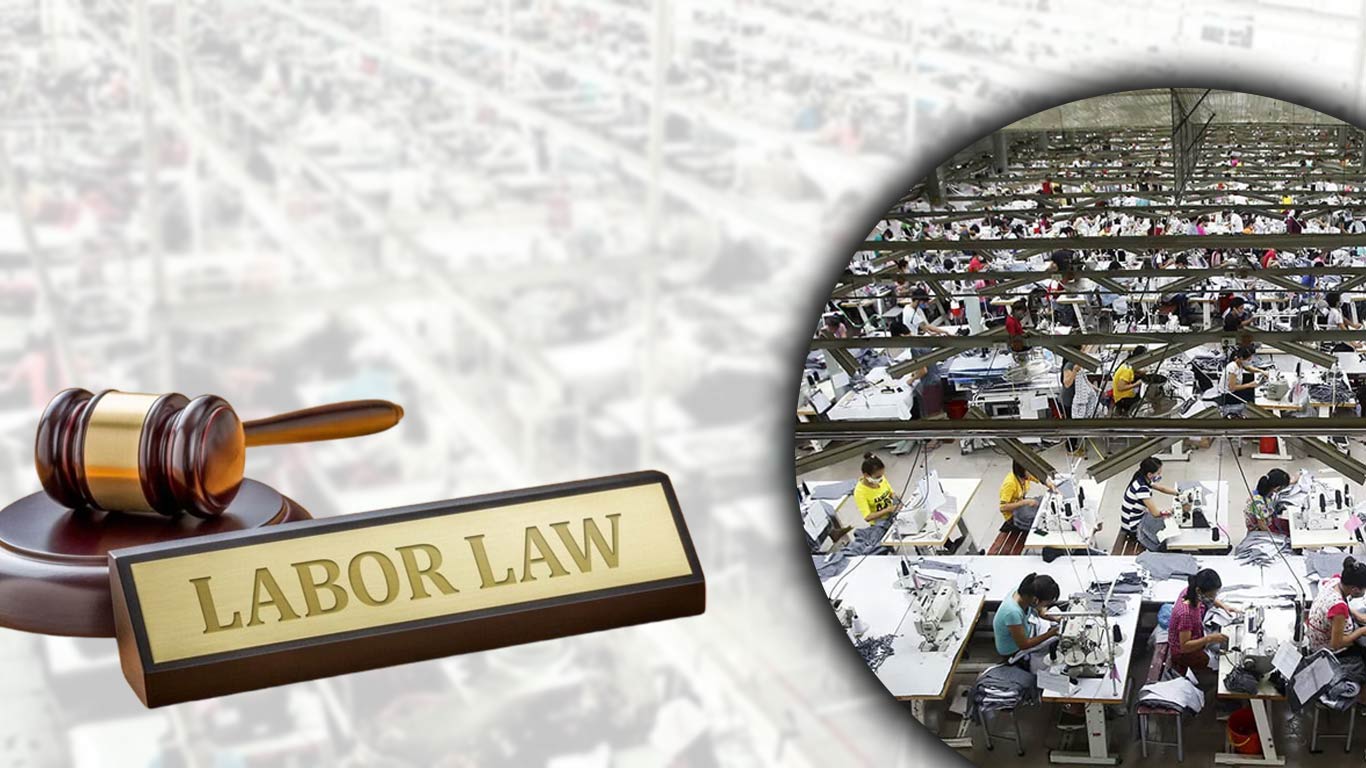
India has entered a new era of labour regulation as four new labour codes have come into full effect from today, replacing 29 existing labour laws. The government has officially notified the implementation, marking one of the biggest structural reforms in the country’s labour framework in decades. Under the new rules, working hours have been clearly capped, with employees not being allowed to work more than 48 hours per week. Companies are now legally required to ensure at least one weekly day off for every worker. Any work beyond the prescribed limit will mandatorily attract overtime pay, ensuring compensation for extra hours worked.
A key reform under the new labour codes is the mandatory issuance of appointment letters to all employees. This move aims to formalize employment practices, especially in small businesses and informal sectors where hiring often took place without written contracts. The government says this will improve job security and transparency between employers and workers. The overhaul is also expected to simplify compliance for businesses. Earlier, companies had to navigate 29 different labour laws, creating complex paperwork and regulatory burdens.
These have now been consolidated into four simplified codes, significantly reducing administrative challenges and boosting ease of doing business in India. However, the implementation is not entirely uniform yet. While the central government has issued the final notification and formally rolled out the codes, labour remains a subject under the Concurrent List, meaning individual state governments must also notify and adopt the rules within their jurisdictions. Officials expect some variation in timelines across states. The reform is being seen as a major step towards modernising India’s labour ecosystem, balancing worker protections with business efficiency while reshaping the future of employment regulation in the country.