





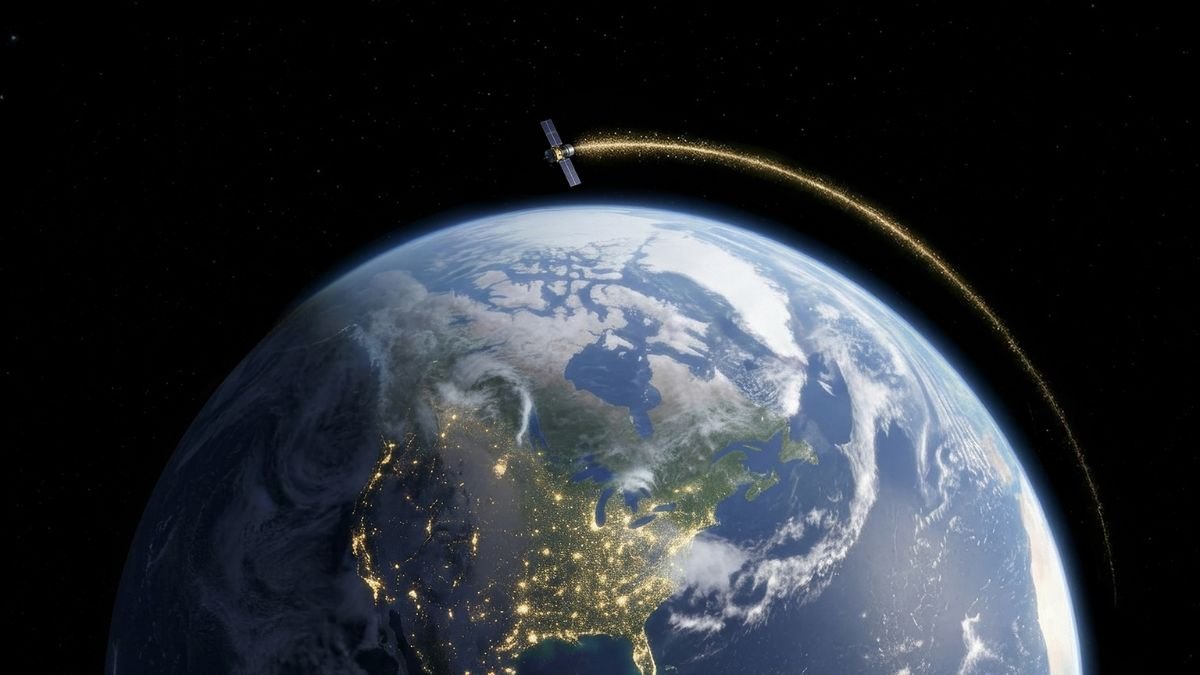
As artificial intelligence continues to grow at an unprecedented pace, the demand for computing power is pushing conventional data centers to their limits. Rising electricity consumption, cooling requirements, and land constraints are prompting governments, startups, and major technology companies to explore a futuristic solution—AI-powered data centers in space. Although the concept is still in the experimental stage, experts believe orbital data centers could become an important part of the next generation of global digital infrastructure.
Unlike Earth-based facilities, space offers continuous access to solar energy, naturally cold conditions for cooling, and virtually unlimited room for expansion. The idea is to power AI servers using massive solar panels mounted on satellites, while laser communication systems transmit data between Earth and space with minimal delay. However, industry experts emphasize that orbital data centers are expected to complement—not replace—traditional data centers in the foreseeable future.
The technology, however, comes with significant engineering and financial challenges. Building and launching satellite-based AI infrastructure, supplying uninterrupted power, managing heat in a vacuum, and maintaining high-speed laser communication between thousands of satellites remain complex and extremely expensive tasks. In addition, the long-term maintenance, insurance, and operational costs make space-based computing far more costly than existing terrestrial data centers.
Global companies such as SpaceX, Blue Origin, and Google are actively exploring space computing technologies, while India has also entered the race. In 2026, Sarvam AI and space-tech firm Pixxel announced plans to develop India’s first orbital AI data center satellite, aimed at reducing dependence on foreign cloud infrastructure. If successful, space-based computing could strengthen digital sovereignty, cybersecurity, and AI innovation.
For consumers, the impact is unlikely to be immediate, but future challenges may include slightly higher internet latency for real-time applications, increased space debris risks, higher cloud storage and internet costs due to expensive infrastructure, and potential service disruptions caused by solar storms. Despite these concerns, experts believe orbital data centers could play a transformative role in supporting the world’s growing AI and cloud computing needs.