




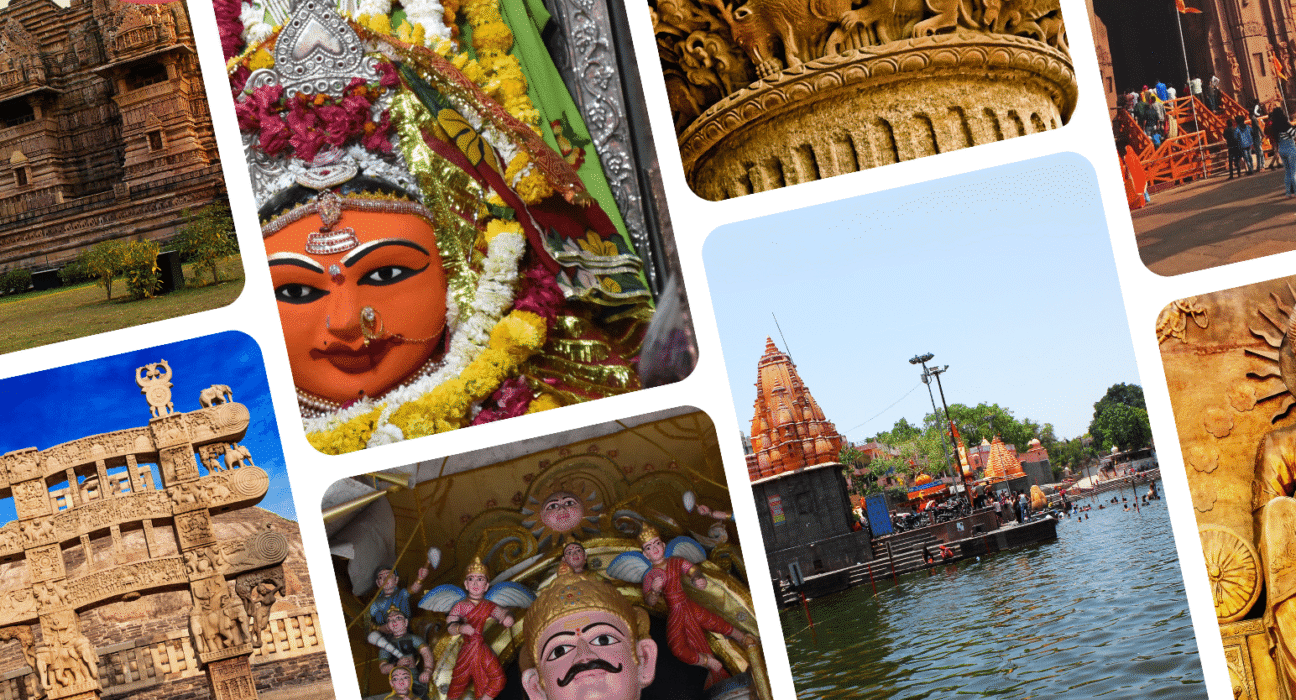
In a major initiative to boost religious tourism and preserve heritage sites, the administration in Ujjain and Agar Malwa has unveiled a ₹1,100 crore redevelopment plan for 11 prominent temples. As part of the project, Temple Bonds worth ₹200 crore will be issued for the first time, allowing citizens and institutions to invest directly in temple development. The ambitious project aims to restore ancient temple structures while upgrading infrastructure and visitor facilities. Key temples included in the plan are Kal Bhairav Temple, Mangalnath Temple, and Sandipani Ashram, along with Navgrah Temple, the 84 Mahadev temple circuit, Angareshwar Mahadev Temple, Bhukhi Mata Temple, Gadkalika Temple, Siddhavat Temple, and Baglamukhi Mata Temple.
According to Divisional Commissioner Ashish Singh, the funding model will combine ₹200 crore through Temple Bonds, ₹275 crore from the Urban Challenge Fund, and ₹625 crore through bank financing. Officials have been directed to complete all legal, financial, and administrative procedures by July 15, with the bonds expected to be launched by July 31. The redevelopment plan focuses on improving pilgrimage infrastructure, including crowd management systems, parking facilities, drinking water supply, sanitation, security, and accessibility. Authorities believe the project will significantly enhance the experience of millions of devotees visiting the region each year.
The initiative comes ahead of the preparations for the upcoming Simhastha 2028 and amid a sharp rise in pilgrim footfall following the development of the Mahakal Lok corridor. Officials say the project will not only strengthen religious tourism but also generate employment opportunities and contribute to the local economy. Temple Bonds, a first-of-its-kind initiative in the region, will function as an investment instrument through which individuals and organizations can contribute to temple development and receive returns with interest after a specified period. The administration views the model as a unique way to combine public participation, faith, and infrastructure development.