





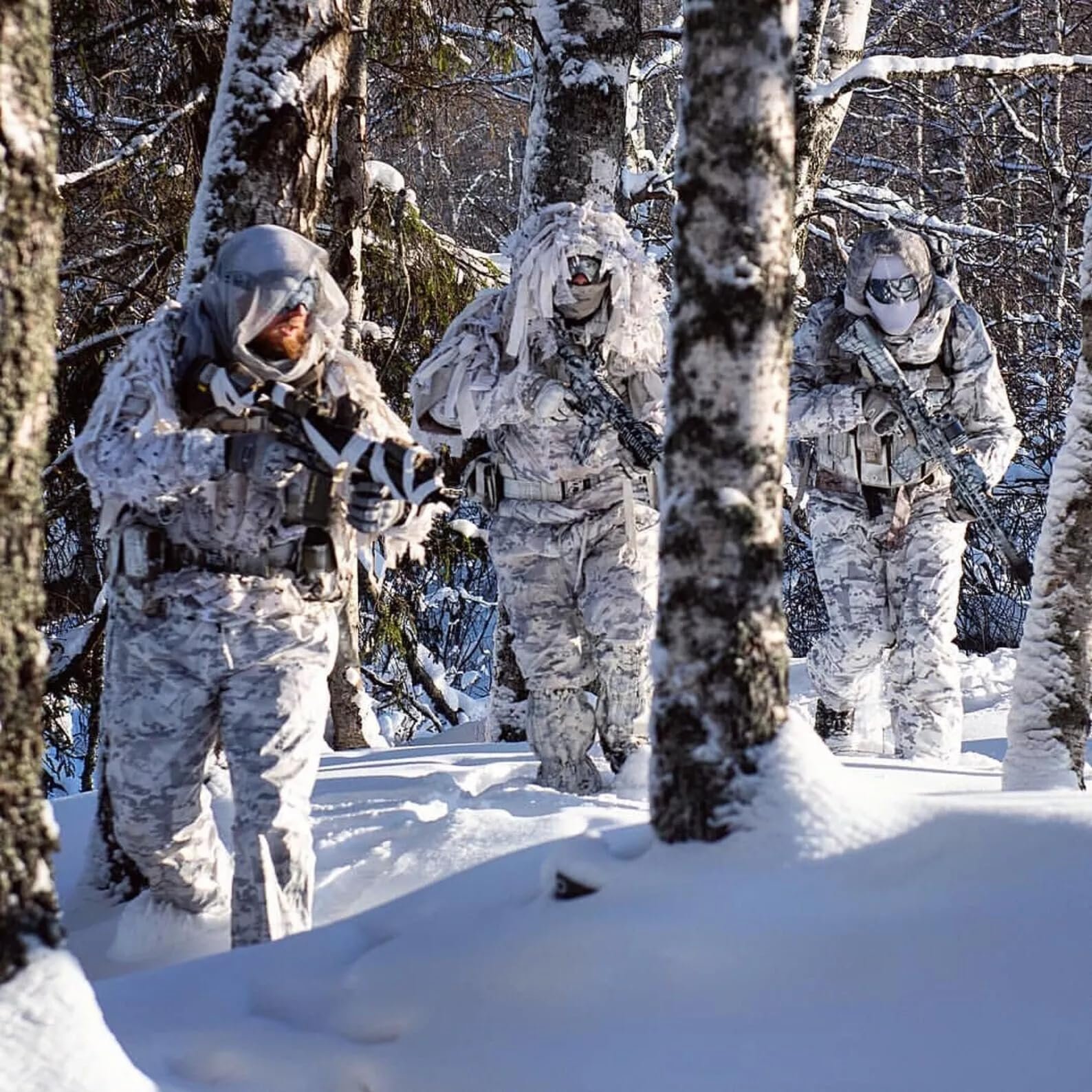
India is developing a next-generation smart military uniform designed to improve the safety of soldiers deployed in high-altitude, snow-bound regions such as Siachen Glacier and Ladakh. The technology is intended to help rescue teams quickly locate personnel trapped during avalanches, snowstorms, or glacier-related accidents. The project is being led by the Defence Materials and Stores Research & Development Establishment (DMSRDE), Kanpur, a laboratory under the Defence Research and Development Organisation (DRDO), in collaboration with the Uttar Pradesh Textile Technology Institute. Researchers are working on a prototype tailored to the operational needs of the Indian Army in extreme weather conditions.
The proposed smart uniform will feature conductive ink-printed electronic circuits embedded directly into the fabric. These circuits will be integrated with GPS modules, microelectronic chips, and other sensors, allowing the technology to remain built into the clothing without requiring soldiers to carry additional bulky equipment. A key objective is to ensure that the embedded electronics remain reliable even after prolonged use, repeated folding, harsh environmental exposure, and regular washing. Scientists are focusing on creating a durable system that can function effectively in sub-zero temperatures and rugged terrain.
If a soldier is buried under snow due to an avalanche or glacier accident, the electronic system inside the uniform is expected to transmit the soldier’s current or last known location to rescue teams. This could significantly reduce search times by enabling responders to focus on a specific area rather than conducting large-scale manual searches across vast snow-covered landscapes. Defence experts believe the technology could address one of the biggest operational challenges in high-altitude warfare, where severe weather and difficult terrain often delay rescue missions for hours or even days. Faster location tracking could improve the chances of survival and make recovery operations more efficient.
In the future, the smart uniform may also incorporate real-time health monitoring features, including body temperature, heart rate, and other vital signs. Such capabilities would allow military command centers to continuously monitor soldiers’ physical condition and respond immediately during medical emergencies. If testing and development are successful, the smart uniform could become a major force multiplier for the Indian Army. Beyond enhancing rescue operations, it has the potential to improve troop safety, operational readiness, and mission effectiveness in some of the world’s most challenging combat environments.