




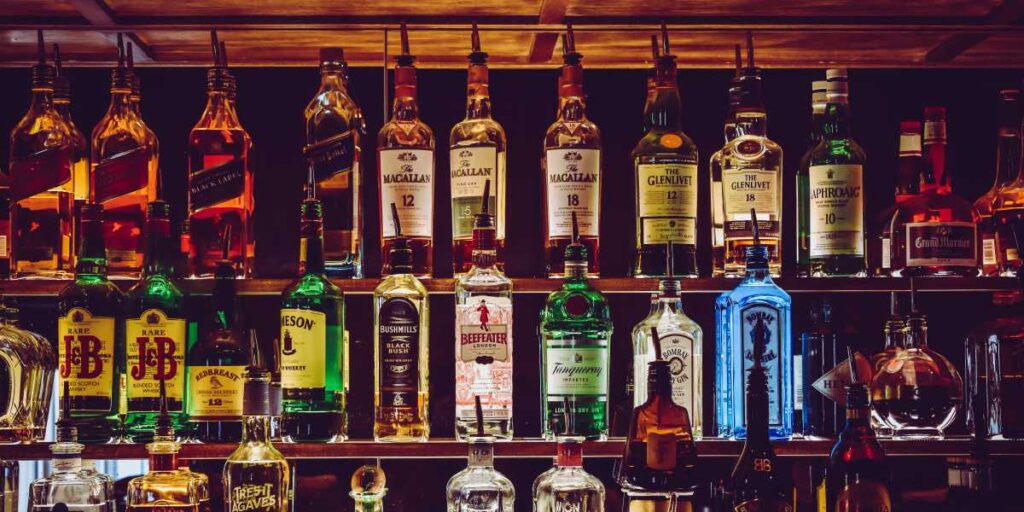
Karnataka has introduced a landmark reform in its excise policy by becoming the first state in India to implement an Alcohol-in-Beverage (AIB) based taxation system. The new framework, which came into effect on May 11, 2026, shifts liquor taxation from volume-based pricing to a structure determined by the actual alcohol content in each product. Under the revised system, taxes will no longer be calculated based on bottle size or quantity, but on the percentage of alcohol present in the beverage. The state government has described the move as a “historic and scientific reform” aimed at improving transparency, rationalizing pricing, and aligning consumption patterns with public health considerations.
As part of the overhaul included in the 2026–27 state budget, the government led by Chief Minister Siddaramaiah has also reduced the number of tax slabs from 16 to 8. In addition, Karnataka has scrapped the Maximum Retail Price (MRP) control mechanism, allowing manufacturers greater flexibility to set prices based on market demand and alcohol strength. Industry experts suggest the new system could significantly reshape liquor pricing in the state. Light alcoholic beverages such as mild and lager beers may become cheaper, with price reductions estimated between 20% and 25%. Premium Scotch whisky and imported spirits could also see a decline of 16% to 20%, benefiting higher-end consumers.
However, the reform is expected to have a contrasting impact on low-cost liquor segments. Small-pack whisky, rum, brandy, gin, and vodka products may become more expensive, with projected price increases ranging from 20% to 30%. Analysts say this is a deliberate move to discourage consumption of high-alcohol, low-cost products while promoting more responsible drinking habits. The state government aims to raise approximately ₹45,000 crore in excise revenue this fiscal year, and officials believe the AIB-based system will help stabilize collections while making taxation more equitable.
The policy was developed with recommendations from an expert committee that emphasized linking alcohol taxation directly to health and social impact factors. Industry bodies have welcomed the reform, stating that it could improve market efficiency while encouraging responsible consumption. Observers also believe that Karnataka’s model could serve as a reference for other Indian states exploring modernized and health-oriented excise policies in the future.