




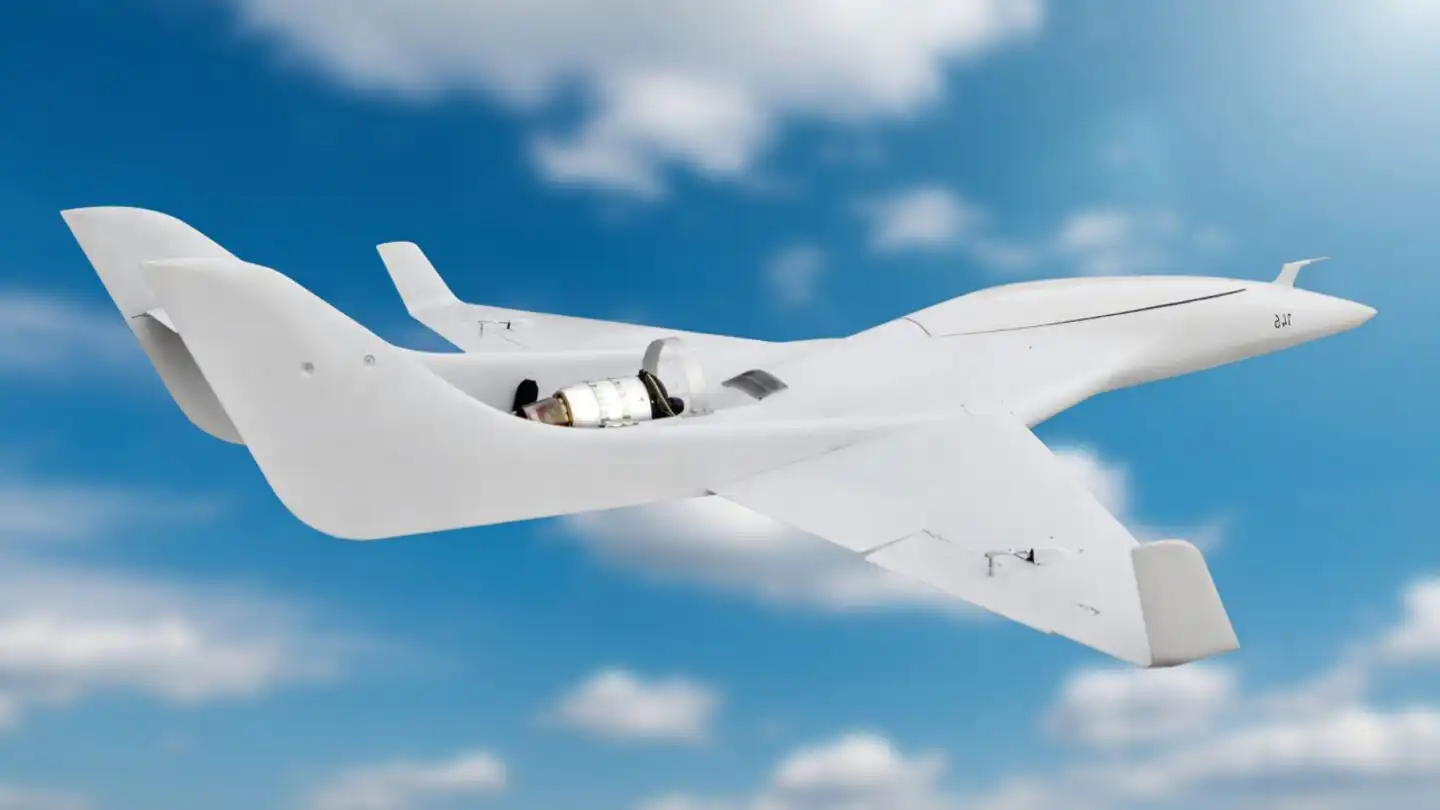
The Indian Army has begun field trials of advanced Jet-Based Kamikaze Drone Systems (JBKDS) at Pokhran in Rajasthan as part of a major initiative to strengthen its precision-strike capabilities. Under the proposed ₹2,000 crore project, the Army plans to procure 540 jet-powered kamikaze drones designed to strike enemy targets at significantly higher speeds than conventional loitering munitions.
The key advantage of these drones is their speed. While conventional propeller-driven loitering munitions typically travel at around 150–200 kmph, the proposed jet-powered systems are expected to reach speeds of approximately 450 kmph. This enhanced speed could enable faster strikes against high-value enemy targets while reducing the response time available to hostile air defence systems.
The project reportedly received Acceptance of Necessity (AoN) approval from the Defence Acquisition Council (DAC), chaired by Defence Minister Rajnath Singh, on October 26, 2026. Following the approval, the procurement process moved forward under the fast-track acquisition framework. The project has attracted considerable interest from India’s defence industry. Around 60 companies initially expressed interest, with 18 submitting formal bids. Following preliminary screening, 10 companies reportedly advanced to the next stage, including Bharat Forge, Veda Aeronautics, NIBE, Adani Defence, SMPP, NRT, Tonbo, Munitions India Limited, Apollo Micro Systems and Zen Technologies.
During the ongoing trials at Pokhran, the Army will evaluate the drones’ speed, operational performance, strike capabilities and suitability for battlefield requirements. The assessments will play a crucial role in determining which systems meet the military’s operational standards. With kamikaze drones and loitering munitions becoming increasingly important in modern warfare, the proposed acquisition could significantly enhance the Indian Army’s ability to conduct rapid, precision strikes. The initiative also reflects India’s growing emphasis on indigenous defence technology, military modernisation and self-reliance in advanced unmanned weapon systems.