




Lakshadweep has officially lifted its 47-year-old alcohol prohibition, introducing a new regulated excise policy that allows controlled sale and consumption of liquor in the Union Territory for the first time in nearly five decades. The decision follows the repeal of the Lakshadweep Prohibition Regulation, 1979, and the implementation of the Lakshadweep Excise Regulation, 2026, which came into effect on June 5.
Under the new framework, alcohol sales will be permitted through licensed outlets operated by government-owned corporations and authorized agencies. The policy introduces a structured licensing system covering the import, export, transport, sale, possession, and consumption of alcoholic beverages, while maintaining strict regulatory oversight. Authorities have also imposed high excise duties, including 400% on Indian Made Foreign Liquor (IMFL) and imported liquor, 200% on beer, and 80% on wine, signaling a tightly controlled market rather than unrestricted access.
Despite the relaxation of prohibition, the administration retains significant control over alcohol distribution. The Administrator holds the authority to regulate purchase limits, restrict consumption, and even reimpose prohibition in specific areas if required. The sale of alcohol to individuals below 21 years of age remains strictly prohibited under the new rules. Alcohol prohibition had been in place since 1979, largely reflecting the social and cultural composition of the islands, where the majority population is Muslim and traditional community preferences strongly influenced governance decisions.
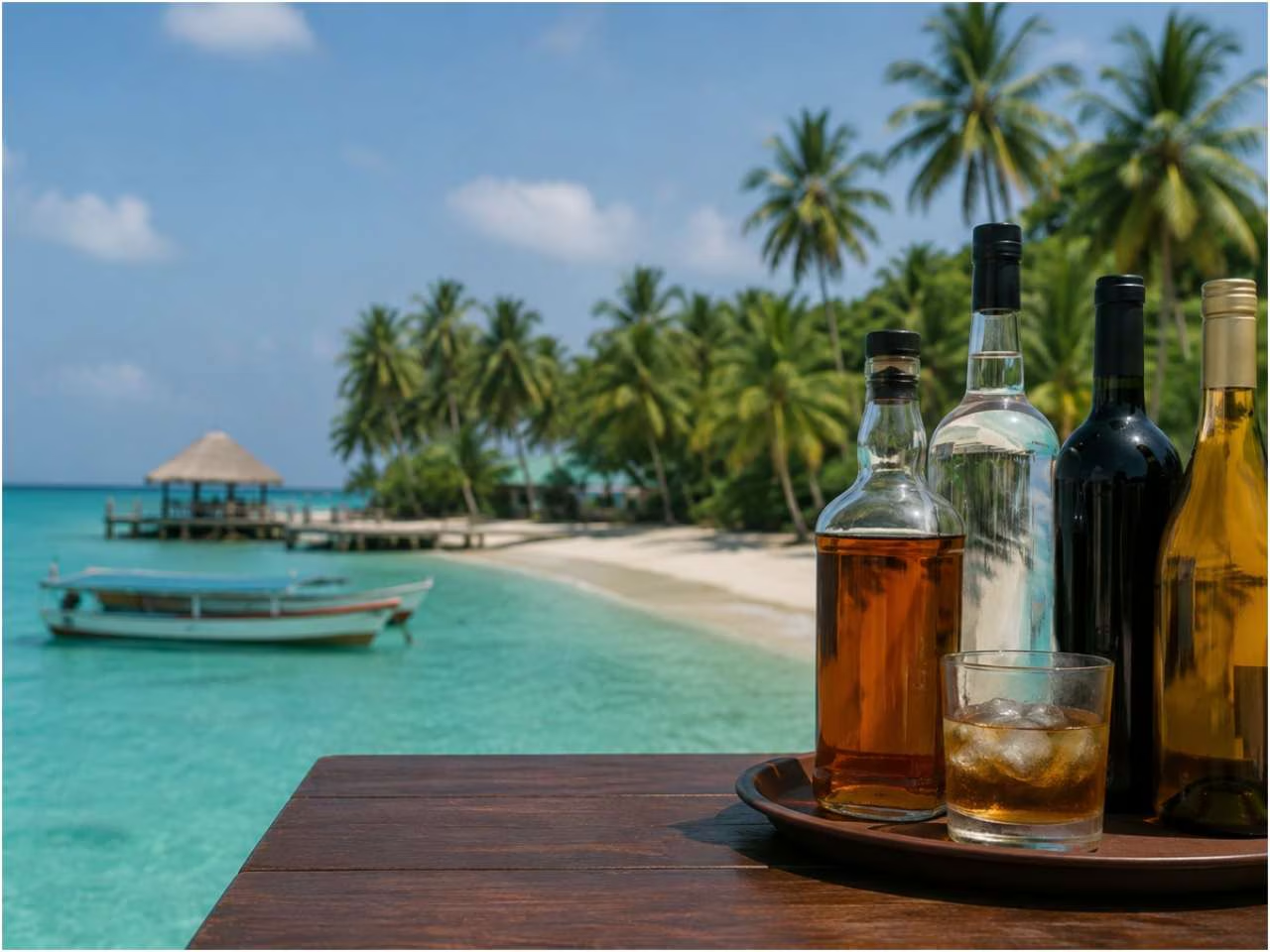
While the law remained in force for decades, limited exemptions previously allowed alcohol service in select tourist resorts and government establishments. The policy shift is widely seen as part of a broader strategy to boost tourism and improve competitiveness with other island destinations in the Indian Ocean. Officials have pointed to Lakshadweep’s potential as a global tourist hub, especially when compared to destinations like the Maldives, where regulated alcohol availability is part of the tourism model.
Tourism development efforts gained renewed momentum following high-profile attention on the islands in recent years, with visitor numbers rising significantly—from under 4,000 in 2020 to over 68,000 in 2024. Authorities now hope that the new excise policy will further strengthen tourism infrastructure and economic activity while balancing local sensitivities through strict regulation.