




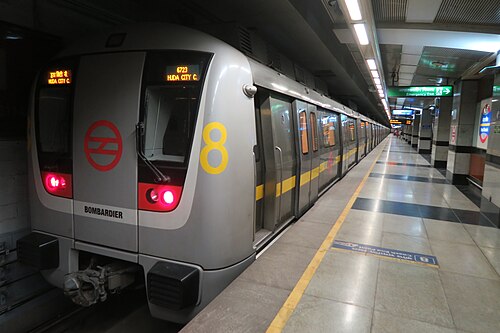
The Haryana government is moving ahead with plans to expand Gurugram’s metro network by developing a new 20-kilometre metro corridor connecting Sohna Road and Bhondsi. The proposed route, prepared by RITES (Rail India Technical and Economic Service), will feature 17 metro stations and is expected to significantly improve connectivity for residents of Sohna Road, Old Gurugram, and surrounding areas.
According to the proposal, the corridor will originate from Bhondsi and continue towards Gurugram, turning towards Sector 67 before reaching Badshahpur town. Instead of passing through Vatika Chowk, the route will run via South City-2 and connect directly to Rajiv Chowk. The project is expected to benefit residents of Maruti Kunj, several residential sectors, and villages located along the Sohna Road stretch.
A major highlight of the proposed corridor is its direct integration with Old Gurugram. The route will be linked to the existing Old Gurugram Metro Line at Subhash Chowk, providing seamless interchange facilities for commuters. This connection is expected to ease travel across key parts of the city and strengthen the overall public transport network.
The proposal does not include the Sector-5 Metro Station. Officials have indicated that the location is being considered as a major interchange hub where the Old Gurugram Metro Line and the proposed Bhondsi-to-Railway Station metro route could converge in the future. The project gained momentum following a meeting of the Haryana Mass Rapid Transport Corporation on March 17 this year. During the meeting, Chief Secretary Anurag Rastogi assigned RITES the responsibility of preparing the Detailed Project Report (DPR) for the proposed metro corridor from Bhondsi to the Gurugram Railway Station.
The state government has already approved a budget of approximately ₹1.41 crore for preparing the blueprint and DPR of the project. With the first official proposal now submitted by RITES, the initiative marks a significant step toward enhancing Gurugram’s urban transport infrastructure and addressing the growing mobility needs of the rapidly expanding city.