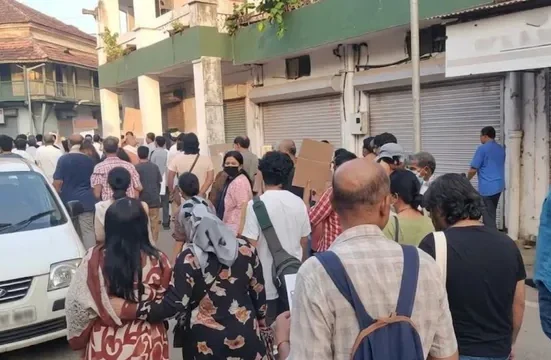





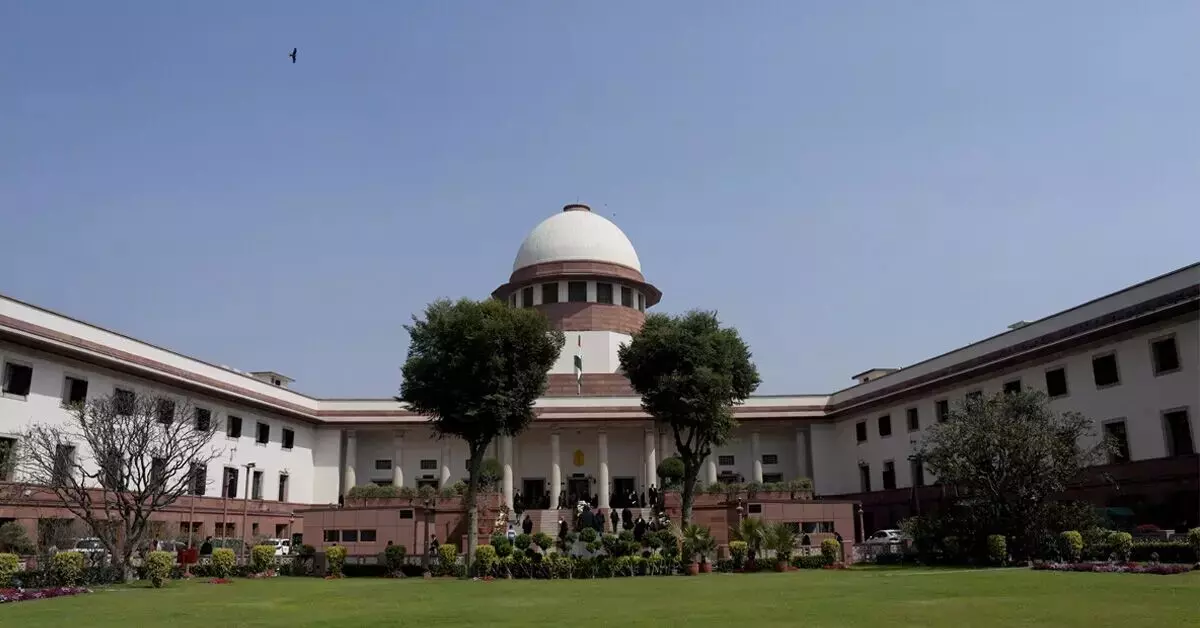
A High-Powered Enquiry Committee (HPEC), constituted by the Supreme Court of India, has launched an online portal to receive complaints and information related to violence reported at Delhi’s Jantar Mantar and other locations outside the national capital in July 2026. The facility is intended to help affected individuals, including protesters and police personnel, submit their accounts and supporting information. According to the Ministry of Home Affairs, the committee was constituted pursuant to the Supreme Court’s order dated August 18, 2026, with its investigation also covering issues identified in the court’s September 10 order. The portal is available at http://hpec.nic.in.
The committee will prioritise allegations that police and other agencies used excessive force against protesters. These include claims of disproportionate or unannounced use of pellet guns, electric batons, lathi charges and tear gas. It will also examine allegations of violence, harassment and molestation involving women protesters, as well as claims of secondary victimisation following the incidents.The inquiry will assess whether people affected by police action received appropriate medical assistance, other necessary support and compensation. It will also consider injuries sustained by police personnel while on duty and the psychological and emotional distress experienced by their families.
In accordance with the Supreme Court’s directions, the panel will additionally examine allegations of excessive violence by either side and damage to property. The HPEC portal provides different ways to submit complaints and relevant information within the scope of the inquiry. Protesters, police personnel and other affected individuals can file complaints and may be called for hearings after receiving appropriate notice. Sensitive witnesses can request confidentiality, with in-camera hearings considered where appropriate. The portal also allows people to submit information anonymously, while suggestions and other relevant details falling within the scope of the court’s orders may also be provided.