



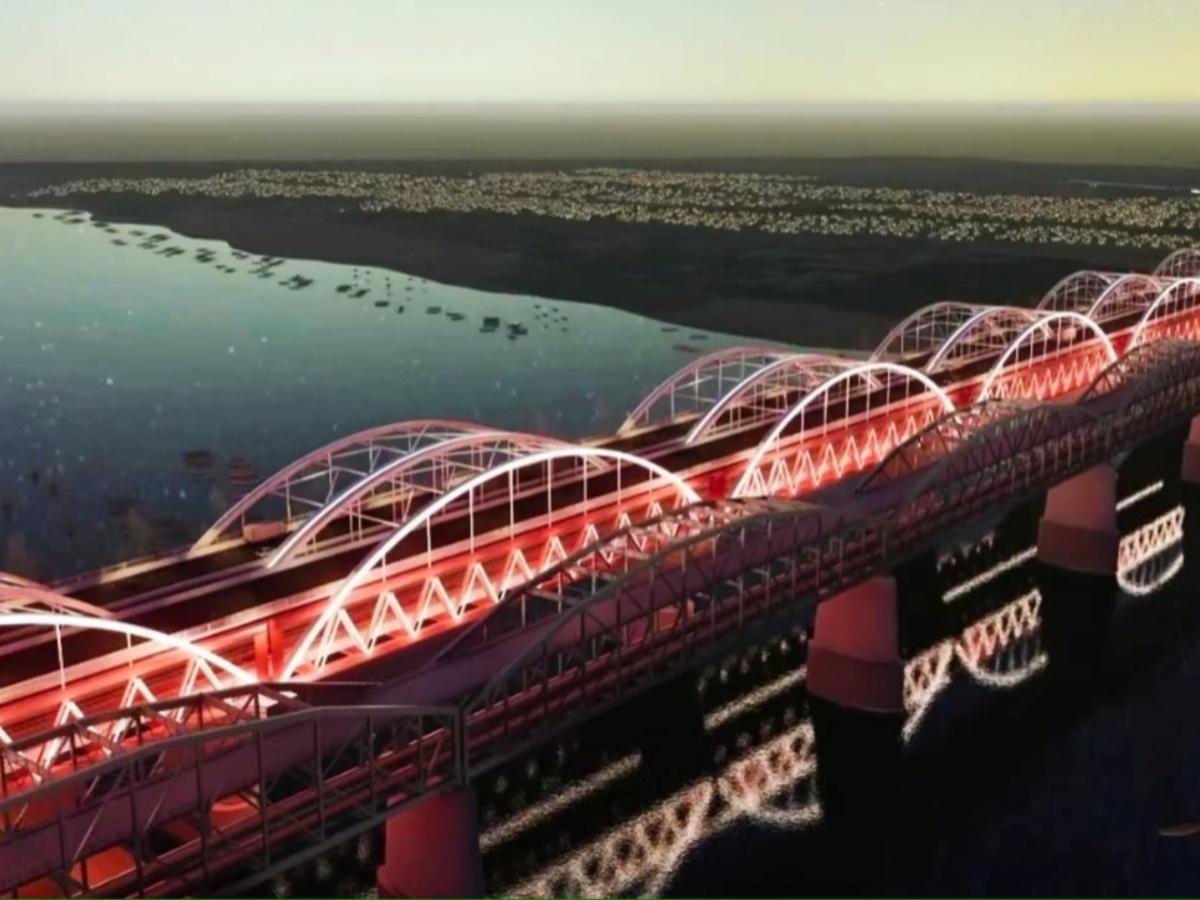
Varanasi is set for a major infrastructure upgrade as work gains momentum on the ambitious Ganga and Varuna Elevated Corridor projects, collectively valued at nearly ₹25,000 crore. Considered a dream initiative of Prime Minister Narendra Modi, the project aims to significantly ease traffic congestion, improve urban mobility, and provide seamless connectivity for millions of pilgrims visiting the Kashi Vishwanath Temple. The National Highways Authority of India (NHAI) has accelerated land acquisition for the project, with authorities imposing restrictions on land transactions across 41 affected villages. The move is intended to ensure a smooth and transparent acquisition process for the large-scale development.
Under the plan, two six-lane elevated corridors will be constructed. The Varuna Corridor will stretch approximately 21.15 kilometers along the Varuna River, linking NH-31 with the Varanasi Ring Road, while the Ganga Corridor will cover around 18.1 kilometers along the Ganga River, connecting NH-19 to the Ring Road. Together, the 39-kilometer network is expected to reshape the city’s transportation landscape. One of the biggest beneficiaries of the project will be pilgrims traveling to the Kashi Vishwanath Temple. Visitors arriving from states such as Bihar, Jharkhand, Madhya Pradesh, Chhattisgarh, and neighboring districts will be able to reach designated parking zones through the elevated corridors, reducing travel time and avoiding congested city routes.
The project will also strengthen connectivity between key locations, including the airport, Namo Ghat, and temple areas. Plans include major interchanges, a signature bridge connection, and a large parking facility capable of accommodating around 4,000 vehicles near the temple zone. Officials and urban planners believe the corridors will do more than solve traffic issues. The project is expected to boost tourism, improve logistics, enhance economic activity, and position Varanasi among India’s leading cities for modern urban transport infrastructure while preserving its status as one of the country’s most important religious destinations.