




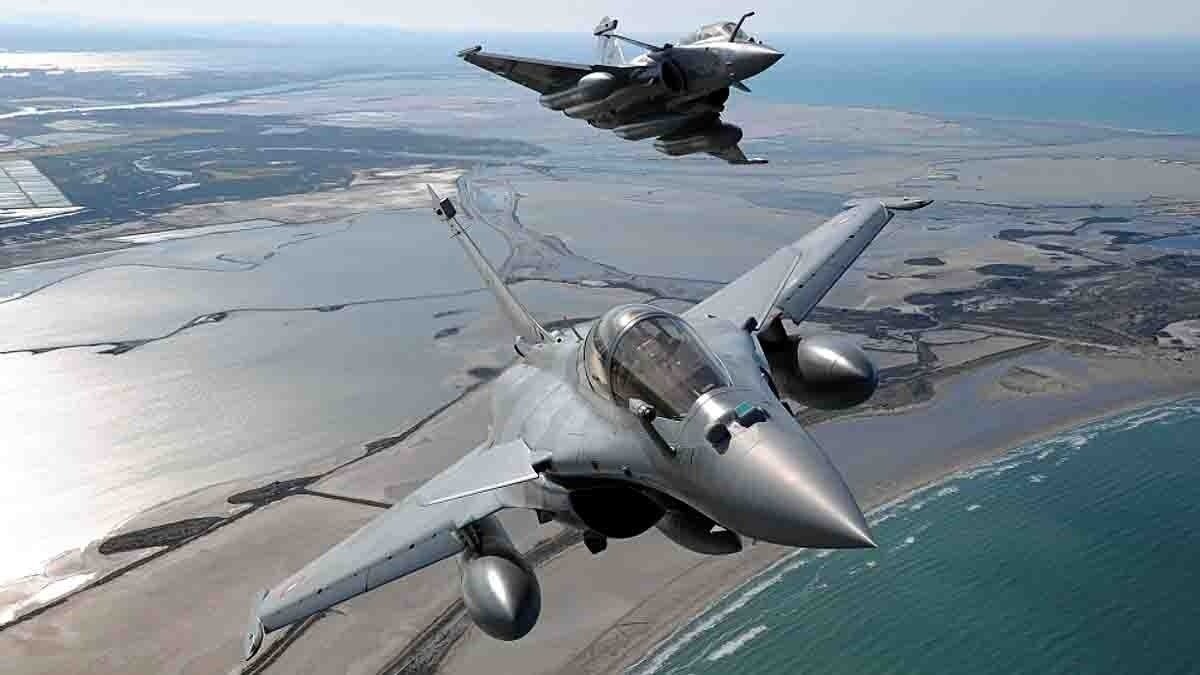
India and France are continuing negotiations over a potential Rafale fighter aircraft deal, with the integration of indigenous Indian weapons systems emerging as a key issue. According to reports citing sources familiar with the discussions, India wants to equip the aircraft with domestically developed defence technologies, including missiles and radar systems. However, France has reportedly expressed reservations about allowing the integration of systems developed outside its own defence ecosystem. India has indicated that the deal could face difficulties if its requirements are not accepted, highlighting New Delhi’s growing emphasis on defence self-reliance.
According to the report, the proposed arrangement involves 114 Rafale fighter jets, with 18 aircraft manufactured in France and delivered to India, while the remaining 96 would be produced in India. New Delhi also wants at least 50 per cent indigenous content in the aircraft manufactured domestically. France had reportedly raised concerns about this requirement earlier but subsequently agreed to the localisation condition, according to the report.
One of the major concerns surrounding the discussions is the aircraft’s source code, which governs the software controlling its systems. According to sources cited in the report, Dassault Aviation, the French manufacturer of the Rafale, is reluctant to allow arrangements that could compromise its proprietary technology. However, Indian Air Force sources reportedly maintain that India is not seeking access to the aircraft’s source code. Instead, the Indian Air Force and the Defence Research and Development Organisation (DRDO) have reportedly developed a way to integrate indigenous weapons systems without requiring the source code.
Indian Air Force Chief Air Chief Marshal A. P. Singh has reportedly indicated that a Rafale agreement could be concluded by the end of the current financial year, although the final outcome will depend on the progress of negotiations. As discussions continue, the integration of indigenous weapons systems and the level of domestic manufacturing are expected to remain key issues. The reported disagreement does not necessarily mean the deal will collapse, but it underlines the challenge of balancing India’s push for defence self-reliance with France’s requirements for protecting proprietary technology.