




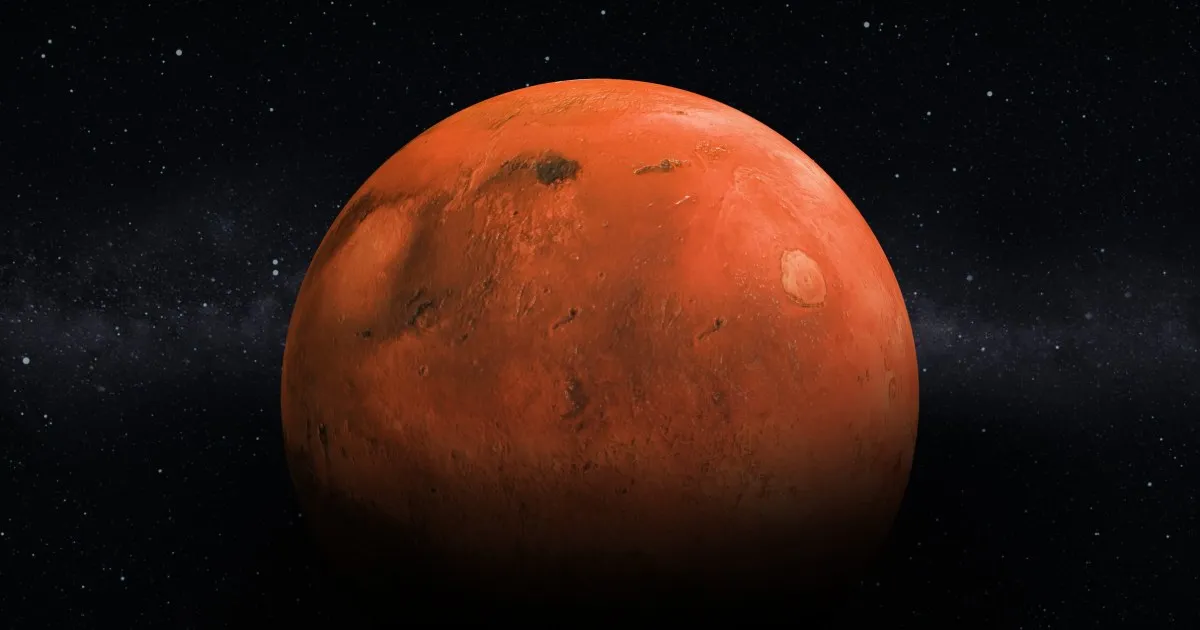
In a groundbreaking discovery, NASA scientists have detected mini lightning flashes on Mars for the first time, offering fresh insights into the Red Planet’s atmospheric chemistry. The Perseverance rover captured these tiny electrical discharges using its ultra-sensitive microphone during strong winds and dust storms. Unlike Earth’s lightning, these sparks are only a few centimeters long similar to small static shocks produced by friction. By analyzing 28 hours of audio collected over nearly two Martian years, researchers identified 55 such electrical crackles confirming that Martian dust particles can rub against each other to generate electric charge.
Scientists believe these micro-lightning events may play a crucial role in producing reactive chemicals like hydrogen peroxide in the Martian atmosphere. These are the compounds that can degrade organic molecules. This discovery may explain why signs of ancient life on Mars are difficult to preserve, as these oxidants could damage potential biosignatures long before they are found. While the tiny sparks pose no direct threat to humans, long-term exposure could affect sensitive electronics, making future mission hardware more vulnerable. Researchers emphasize that upcoming Mars missions will need dedicated instruments to monitor the planet’s electric fields, helping engineers design better-protected rovers, habitats and spacesuits.